
QR codes have gone from a niche tool to something people scan dozens of times a week. Reports of dirty payments linked to QR-based fraud have pushed cybersecurity experts to pay closer attention to how these black-and-white squares are being weaponized. A quick scan can open a menu, process a payment, or launch a website in seconds. That convenience is exactly what attackers are counting on. The problem is simple. Humans can read a web address before clicking it. A QR code hides that destination until after the scan. That creates an opening for criminals who know curiosity and speed often beat caution.
QR Codes Hide Their True Destination
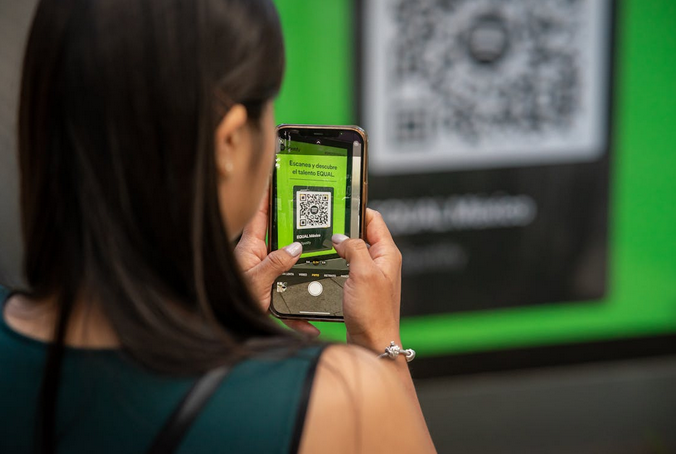
A standard website link gives users clues before they click. A QR code does not. It acts like a sealed envelope that only reveals its contents after interaction. Cybercriminals exploit this blind spot. They place malicious codes on posters, parking meters, restaurant tables, and public notices. The fake code may look perfectly legitimate. One scan can send a user to a convincing copy of a trusted website. Many victims never realize that something is wrong. The page loads quickly. The branding looks familiar. Before long, login credentials or payment information have already changed hands.
Scammers Are Replacing Legitimate Codes
One of the fastest-growing tricks involves physical tampering. Criminals print fraudulent QR stickers and place them over authentic ones. From a distance, nobody notices the difference. Imagine paying for parking in a busy city. You scan the code, enter your card details, and drive away. Hours later, your account shows transactions you never approved. The process feels almost invisible because the scam blends into an ordinary activity. This tactic works because people trust what they see. A QR code on a public sign often receives the same confidence as the sign itself. That assumption creates risk.
Mobile Devices Create a False Sense of Safety

Smartphones have become surprisingly secure. Modern devices include encryption, biometric authentication, and app permissions. Those protections are valuable, but they can also create overconfidence. People tend to lower their guard when using phones compared to desktop computers. They scan quickly. They tap quickly. They move on. Cybercriminals understand this behavior and design attacks around it. Think of it like locking your front door but leaving the side gate wide open. Strong security features help, but poor decisions can still expose sensitive information.
Payment Systems Are Becoming Prime Targets
QR payments are now common in cafes, retail stores, and transportation services. Faster transactions are great for consumers and businesses. Unfortunately, fraudsters have noticed the trend too. Malicious code can redirect a payment to a criminal account instead of the intended recipient. The transaction may appear normal at first glance. By the time the mistake becomes obvious, recovering funds can be difficult. As digital payments continue expanding, attacks built around QR technology will likely increase.
Simple Habits Can Reduce Your Risk
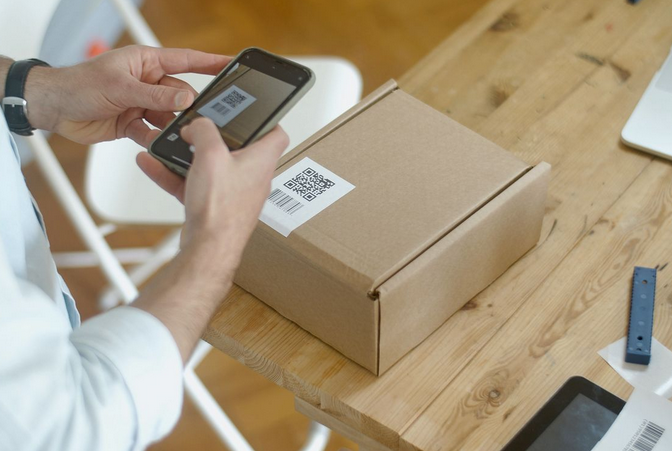
The good news is that avoiding most QR-based attacks does not require advanced technical knowledge. A few practical habits make a significant difference. Pause before scanning. Check for signs of sticker tampering. Review the destination URL before entering information. Security often comes down to slowing down. Attackers rely on rushed decisions and distracted users. Breaking that pattern removes much of their advantage. Staying aware of how these threats work is one of the smartest ways to keep your data and finances protected.…